By FleetTracking.io Editorial Team · Updated 20 June 2026
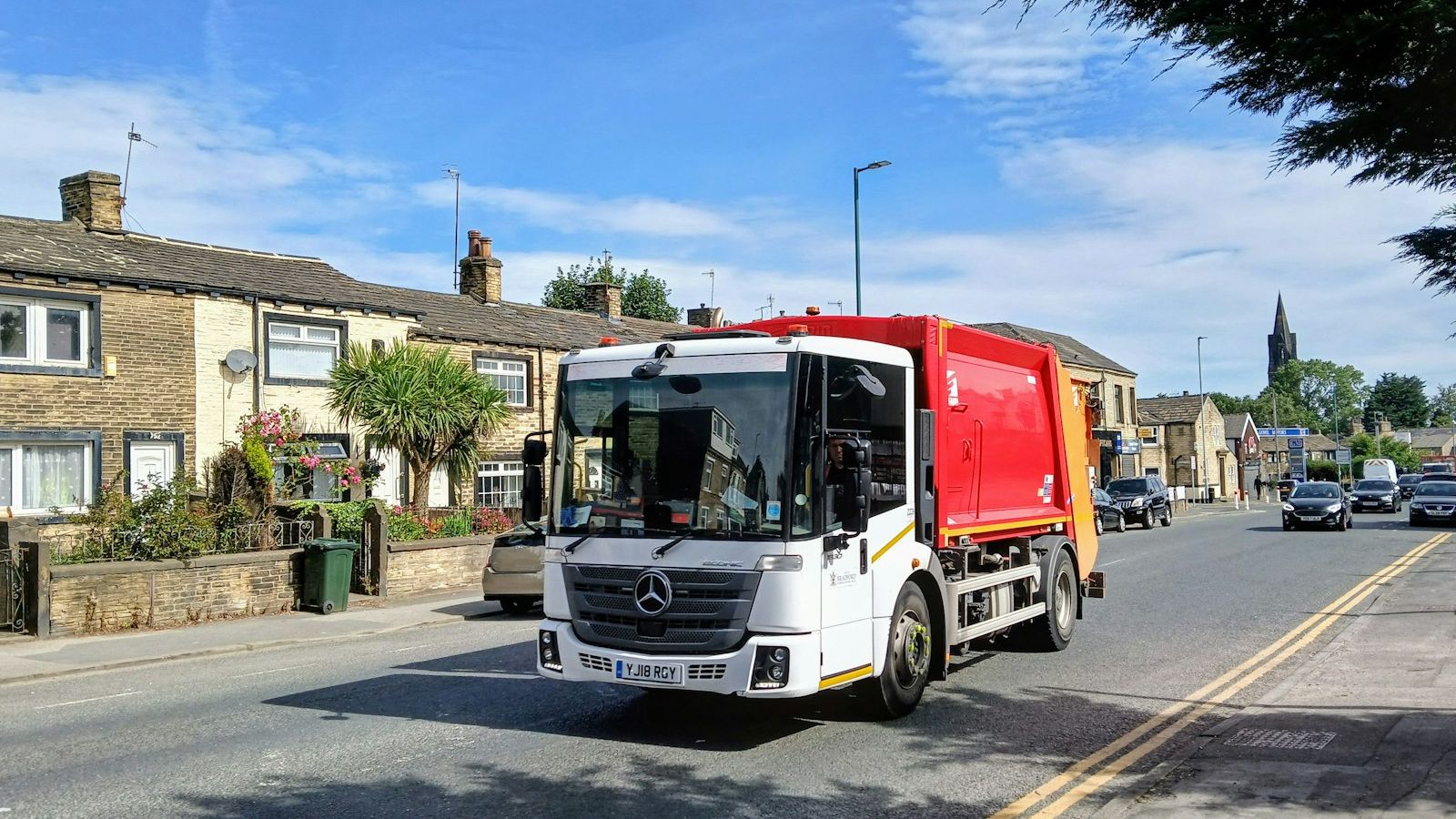
What is HGV tracking and why hauliers rely on it
HGV tracking uses a vehicle-mounted device and mobile data to report each lorry's position, speed and activity to an online platform. For a haulier running anything from a handful of trucks to a national fleet, that live picture replaces guesswork with evidence. You can see where every vehicle is, how it is being driven and whether a job is running to schedule, all from a single dashboard.
The appeal of lorry tracking is partly operational and partly commercial. Transport managers gain tighter control of routes and resources, drivers benefit from clearer planning and fairer records, and customers get more accurate arrival times. As fleets grow, HGV fleet tracking becomes the backbone that ties scheduling, fuel management and security together rather than a simple dot on a map.
Supporting compliance and record-keeping
Operating heavy goods vehicles in the UK comes with significant responsibilities, and modern tracking can help you stay organised around them. While the systems below are administrative aids rather than legal advice, they make it far easier to keep the right information to hand and demonstrate good practice.
- Driver-hours and tachograph data: many platforms integrate with or complement tachograph systems, helping you collect, store and review driver-hours information so patterns are visible and records are easier to retrieve.
- Walkaround and defect checks: app-based daily walkaround checks let drivers record vehicle condition and flag defects digitally, creating a timestamped trail that is simpler to audit than paper.
- Maintenance records: tracking mileage and engine hours supports planned servicing schedules, helping you keep maintenance documentation current and consistent across the fleet.
Used well, these tools reduce the administrative burden on transport teams and keep essential records in one searchable place. You should always confirm your specific obligations with the relevant authorities and your own advisers.
The core benefits for HGV operators
The strongest argument for tracking is the day-to-day saving it delivers. Across a busy fleet, small efficiencies compound quickly into meaningful figures.
Fuel and route efficiency
Fuel is one of the largest costs in haulage, so even modest improvements matter. Tracking highlights excessive idling, heavy braking, harsh acceleration and inefficient routing. By coaching drivers on these behaviours and planning smarter routes, operators commonly reduce fuel use and unnecessary mileage, while also easing wear on tyres and brakes.
Safety and driver standards
Driver-behaviour reporting gives a fair, evidence-based view of how each lorry is handled. That supports targeted training, recognises careful drivers and helps reduce the risk of incidents. In the event of a dispute or collision, accurate location and timeline data can be invaluable when establishing what happened.
Security of high-value loads
Lorries and their cargo are attractive targets, and recovery without tracking can be slow. Live positioning, geofence alerts and movement notifications mean unauthorised activity is flagged quickly, improving the chances of recovering a stolen vehicle or trailer and protecting valuable freight.
Features that matter for heavy goods vehicles
General fleet tools cover the basics, but HGV operations often need more specialised capability. When comparing truck tracking systems UK suppliers offer, look closely at how well a platform handles the realities of heavy transport.
- Trailer tracking: because trailers are frequently swapped between units and left in yards, dedicated trailer trackers help you locate assets, monitor utilisation and reduce the risk of loss.
- Temperature monitoring: for refrigerated and temperature-sensitive loads, sensors record conditions throughout the journey and can alert you if readings move outside the expected range, supporting product integrity.
- CANbus and engine data: reading directly from the vehicle's systems provides accurate fuel consumption, mileage, fault codes and engine hours, giving a richer picture than location alone.
- Dashcams: integrated forward-facing and in-cab cameras provide visual context alongside the data, supporting incident investigation, driver protection and insurance claims.
Not every fleet needs every feature. A general haulier may prioritise trailer tracking and driver behaviour, while a chilled-distribution operator will treat temperature monitoring as essential. Matching features to your actual work is the key to value.
Understanding the costs
Pricing for HGV tracking depends on the hardware involved, the depth of features, the length of contract and the number of vehicles. As a general guide rather than a fixed quote, costs tend to fall into the broad tiers below.
| Tier | Typical capability | General cost guide |
| Entry-level | Live location, basic reporting and alerts | Lower monthly cost per vehicle |
| Mid-range | Driver behaviour, geofencing, CANbus and walkaround checks | Moderate monthly cost per vehicle |
| Advanced | Dashcams, temperature monitoring, trailer tracking and full integrations | Higher monthly cost per vehicle |
Most suppliers charge a per-vehicle monthly subscription, sometimes with an upfront or amortised hardware cost and a typical contract term. Larger fleets often secure better per-unit rates, and add-ons such as cameras or specialist sensors increase the figure. Because quotes vary so widely between providers, comparing several proposals side by side is the surest way to understand fair pricing for your fleet.
Choosing the right system for your fleet
The best system is the one that fits how you actually operate. Before committing, it helps to be clear on a few practical points so suppliers can quote accurately and you can compare like with like.
- Fleet profile: the number, type and age of your vehicles, and whether trailers need tracking too.
- Priorities: whether fuel savings, compliance support, security or temperature control matters most.
- Integration: how the platform connects with your existing tachograph, transport management or back-office systems.
- Support and contract: the level of installation, training and ongoing support included, plus contract length and flexibility.
Taking time on these questions prevents paying for features you will not use, or outgrowing a system too soon. A short conversation with two or three suppliers usually clarifies what good value looks like for your specific operation.
Ready to compare HGV tracking options? Use the form below to get free, no-obligation quotes from up to 3 trusted suppliers, and find the system that best fits your fleet, your loads and your budget.